2026 NY Statewide Preservation Conference: Friday Field Sessions
JOIN US FRIDAY, APRIL 17TH FROM 10 A.M. – 12 P.M. TO PARTICIPATE IN ONE OF FOUR EXCITING AND ENGAGING FIELD SESSIONS!
PLEASE SELECT ONE OF THE FIELD SESSIONS. ALL FIELD SESSIONS OCCUR SIMULTANEOUSLY.
PLEASE NOTIFY CONFERENCE STAFF AT THE CHECK-IN DESK IF YOU WOULD LIKE TO BE PLACED ON A WAITLIST.
*Field Sessions are for Conference attendees only.*
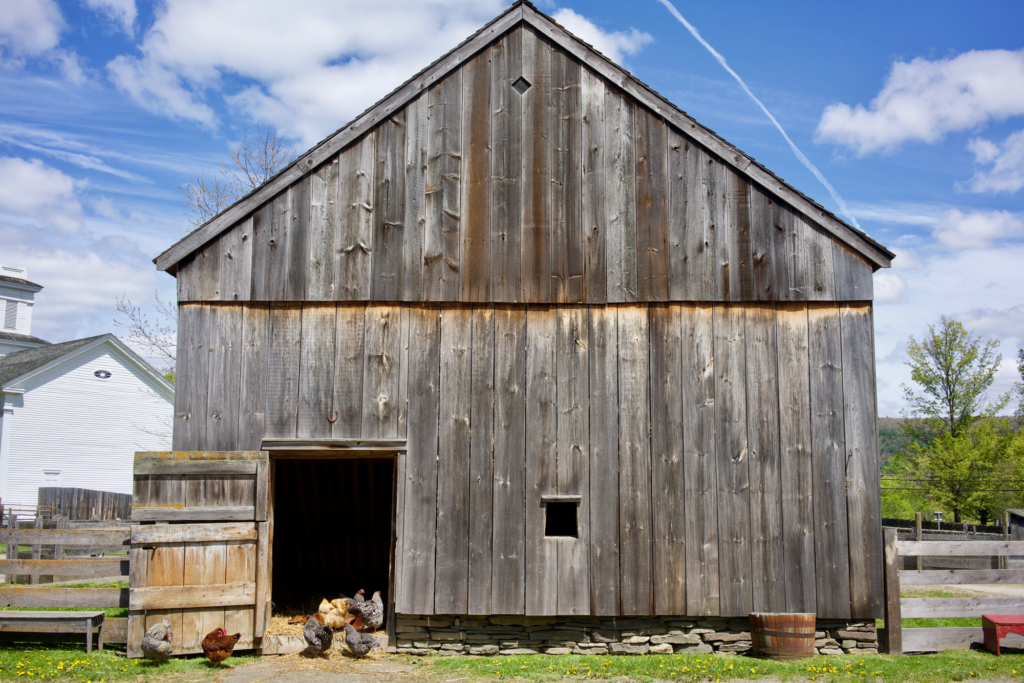
Barns at Fenimore Farms
Fenimore Farm and Country Village is a living history museum that includes buildings moved in the mid to late twentieth century from rural New York State communities to the site of a gentleman’s dairy farm developed by the Clark family in Cooperstown. The museum’s collection includes framed and log English barns alongside other period and reproduced agricultural buildings.
Join Nicholas Russell from Tall Pines Timber Frames to explore how barns were put together in the early nineteenth century. If you want to know more about swing beams and scribe rule this field session is for you.
Max Capacity: 25
Restrooms Available: Yes
Parking: On site (Note: this session is 0.9 miles from the Otesaga, so if the weather permits, you may enjoy walking there!)
This is an outdoor museum that requires walking the property. Please wear appropriate footwear and the session will run rain or shine.
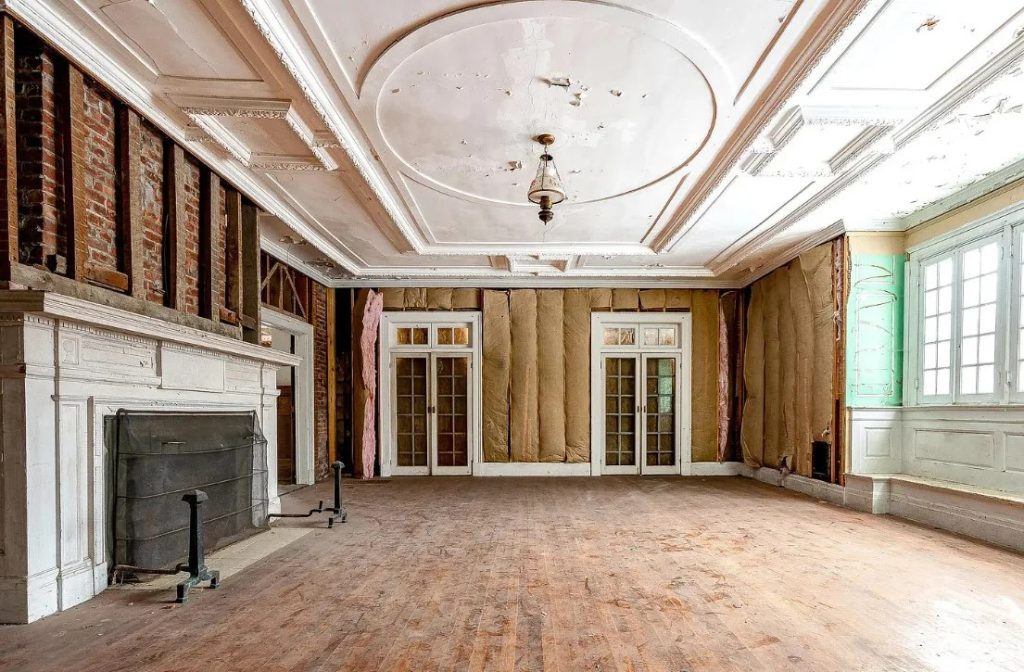
Restoring Ringwood Manor — A Landscape of Many Lives: From Early Settlers to the Titanic and Beyond
This field session offers an immersive, on-site exploration of Ringwood Manor, lead by Cristina and Violet Ackas. Set alongside the rolling hills of the Glimmerglass Historic District, Ringwood Manor is a historic property layered with centuries of stories — from early settlement and Gilded Age splendor to a beloved camp that shaped generations of New Yorkers. Ringwood Manor began as Whipple family farmland, where engineering pioneer Squire Whipple spent his early years; the family plot remains onsite, where his parents and sister are buried. In 1900, it became the summer home of Arthur L. and Emily Borie Ryerson, whose lives are tied to the Titanic tragedy and whose stewardship shaped the estate’s early 20th-century character. Later, the property served as Beaver Cross Camp, adding another layer of community history.
Participants will tour the interior and grounds of the Arts & Crafts–style Gilded Age cottage, exploring its craftsmanship, natural materials, and harmony with its rural setting. Along the way, attendees will see how the landscape reveals its evolving past — from surviving camp cabins nestled among the trees to visible alterations such as fire doors, signage, and reconfigured interior spaces that reflect decades of adaptive use. The tour will highlight how each era left tangible marks on the structure and grounds, offering insight into the challenges and opportunities of preserving a site shaped by multiple generations.
During the tour, the new owners will share how, after years of neglect, they have begun a full restoration effort to stabilize the structure, preserve its architectural fabric, and develop the future Ryerson Manor Springfield Museum & Cultural Center.
Max Capacity: 30
Disclaimer: The property has uneven terrain and no access to bathrooms.
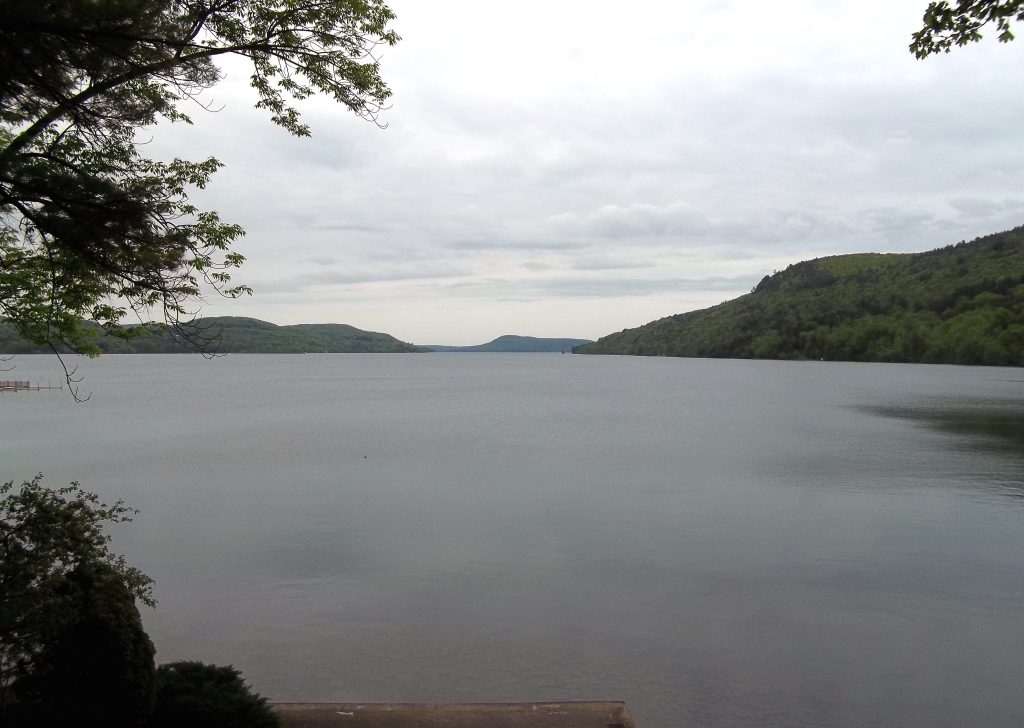
Landscape of the American Imagination: Glimmerglass Historic District Walking Tour
The Glimmerglass NRHD, listed in 1999, encompasses 15,000 acres surrounding and including Otsego Lake, the headwaters of the Susquehanna River. As the setting for James Fenimore Cooper’s influential stories about early American development of the region’s landscape, the district is a wellspring of the American imagination and was the inspiration for summer resort development around Otsego Lake. The Glimmerglass Historic District is a largely intact historic landscape illustrating diverse uses, most apparently as a post-colonial agricultural region and, by the mid-1800s, a summer resort.
Join Jessie Ravage, author of the NR nomination, for a 1.5-mile walking tour from the eastern hill of Lakewood Cemetery back to the Otesaga Hotel.
Max Capacity: 25
This is an outdoor walking tour that requires walking the property. Please wear appropriate footwear and the session will run rain or shine.
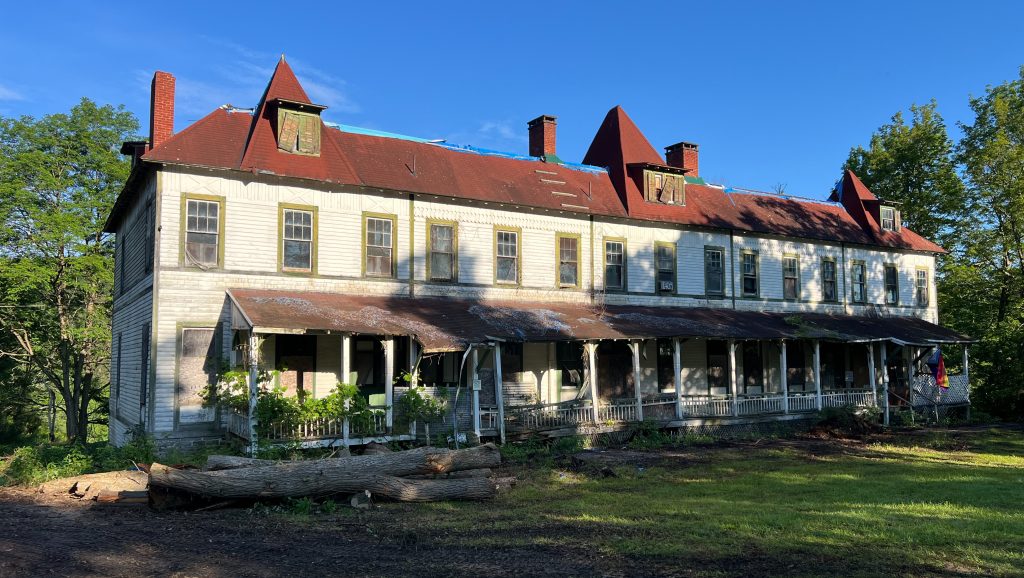
Sharon Springs’ Last Resort: The Pavilion Cottages Project
The village of Sharon Springs developed in the early to mid-nineteenth century around a rare concentration of potent mineral springs. This area held great importance to Native American tribes in the region. For more than a century, visitors came to “take the waters,” staying in grand hotels, boarding homes, and summer cottages in the hills of the village. Sharon Springs’ history is marked by boom periods of outside investment, long periods of decline, and multiple instances of reclamation and reinvention by a changing clientele. That decline accelerated following World War II as spa culture, transportation, and tourism patterns changed. By the 1970s, the village was a ghost town
Hidden in the woods at the head of the village are the overgrown ruins of the former Pavilion Hotel & Cottages complex. Originally established in the 1830s, the sprawling resort once included multiple buildings and recreational grounds. Today only one structure remains (barely) standing: the Pavilion Cottages. They are five stick-style summer townhouses that once functioned independently and collectively as part of the larger Pavilion resort. Following the demolition of the main Pavilion Hotel in 1941, they were purchased by the neighboring Adler Hotel, after which point they were used as staff housing until the Adler’s abandonment in 2004.
Nick and Patrick purchased the abandoned property in 2023 because, in their words, “no one else would.” They remain boarded up and largely forgotten, but now they are protected under a new roof. Their goal is to stabilize and restore the historic Cottages building, developing the surrounding property into a resort and glampground for the LGBTQ+ community and its allies.
Max Capacity: 40
Restrooms: A porta-potty will be on site
This field session may be filmed for the YouTube documentary series “Sharon Springs’ Last Resort.” By registering for and attending this session, participants acknowledge that photography and video recording may occur and consent to the use of their image, voice, or likeness in the documentary and related promotional materials, including online platforms such as YouTube and social media.