Search
Close this search box.

Menu

Five to Revive

At its core, preservation is about community revitalization. Since 2013, The Landmark Society has annually published Five to Revive, a list highlighting five historic properties in Western New York in need of investment and advocacy. Whether buildings, landscapes, or structures, these irreplaceable resources are significant parts of our shared built environment—and their rehabilitation has the potential to spark broader neighborhood and community renewal.

Properties included on Five to Revive become priority projects for Landmark Society staff and programs. We work collaboratively with property owners, municipal officials, and developers to encourage reinvestment and thoughtful rehabilitation, helping these places once again play active roles in their communities.

Selection criteria include architectural and design integrity, historical significance, degree of endangerment, potential catalytic impact, and the likelihood that inclusion on the list will help facilitate a positive outcome.

Launched as part of The Landmark Society’s 75th Anniversary, Five to Revive strengthens the organization’s ongoing efforts to support revitalization across Western New York. Preservation is not just about honoring the past—it creates local jobs, stimulates investment, increases tax revenue, and builds sustainable communities.

Five to Revive is led by a dedicated subcommittee chaired by Tom Castelein. Committee members include Bradley Huber, Katie Eggers Comeau, Erin Anheier, Cynthia Howk, Tyler Lucero, and Landmark Society staff: Wayne Goodman, Executive Director; Larry Francer, Assistant Director; and Megan Klem, Director of Preservation Services.


2026 Five to revive Announced!

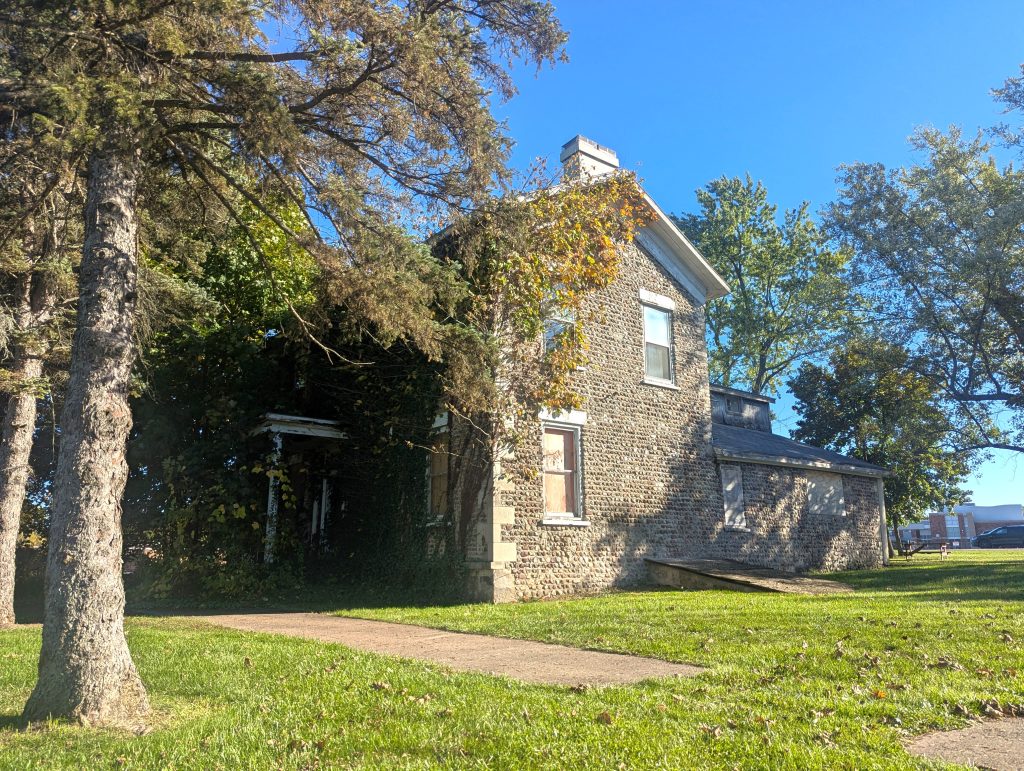
Peirson Cobbleston House, Village of Newark

Peirson Cobblestone House
Village of Newark, Wayne County

Built between approximately 1825 and 1835 by Jacob Hill, the Peirson Cobblestone House is one of the earliest and most significant examples of cobblestone construction in Western New York — a building tradition that is uniquely concentrated in our region. For more than 150 years, the house served as a working farmhouse on the northern edge of Newark, remaining closely associated with the Peirson family through much of that time.

As Newark expanded in the twentieth century, the surrounding farmland gave way first to an airstrip and later to the Newark-Wayne Community Hospital campus. While the house adapted to new uses — including medical offices — it retained the distinctive exterior craftsmanship that makes cobblestone buildings such treasured landmarks.

Today, the structure sits vacant and faces urgent maintenance challenges, including a leaking roof that threatens its long-term stability. With productive conversations now underway between preservation advocates and hospital leadership, there is real opportunity to stabilize, rehabilitate, and return this nearly 200-year-old landmark to active use.

Assemblyman Brian Manktelow notes that “When we restore a building like the Peirson Cobblestone House, we are saving more than just it’s walls. We are actively preserving tradition, and our own uniqueness as a region. The fact that we have a piece of history like this in our own backyard is something we should be proud of.”

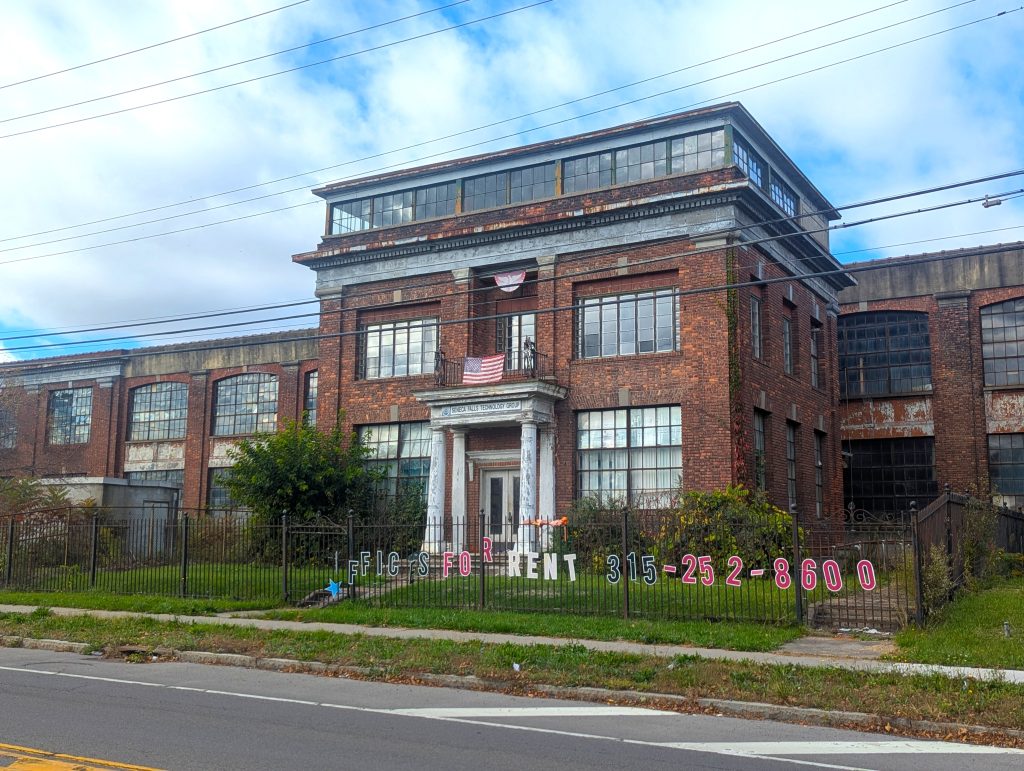
Seneca Falls Machine Company Plant. Village of Seneca Falls

Seneca Falls Machine Company Plant
Village of Seneca Falls, Seneca County

Completed in 1916, the Seneca Falls Machine Company Plant stands prominently at the western gateway to the village. At its height, the factory employed roughly 200 workers and produced machinery used in the early automobile industry. During World War II, it shifted to manufacturing artillery shells for the Allied war effort, making it one of the community’s largest and most important employers.

Following decades of industrial decline, the complex sat vacant for years and portions were condemned in 2017. A new owner purchased the property in 2020 and has since completed critical stabilization work. In 2023, the complex was determined eligible for listing on the National Register of Historic Places, creating access to potential historic tax credits.

With more than 100,000 square feet of largely intact industrial space, this property represents a major opportunity for catalytic redevelopment that could transform both the building and the first impression of Seneca Falls for residents and visitors alike.

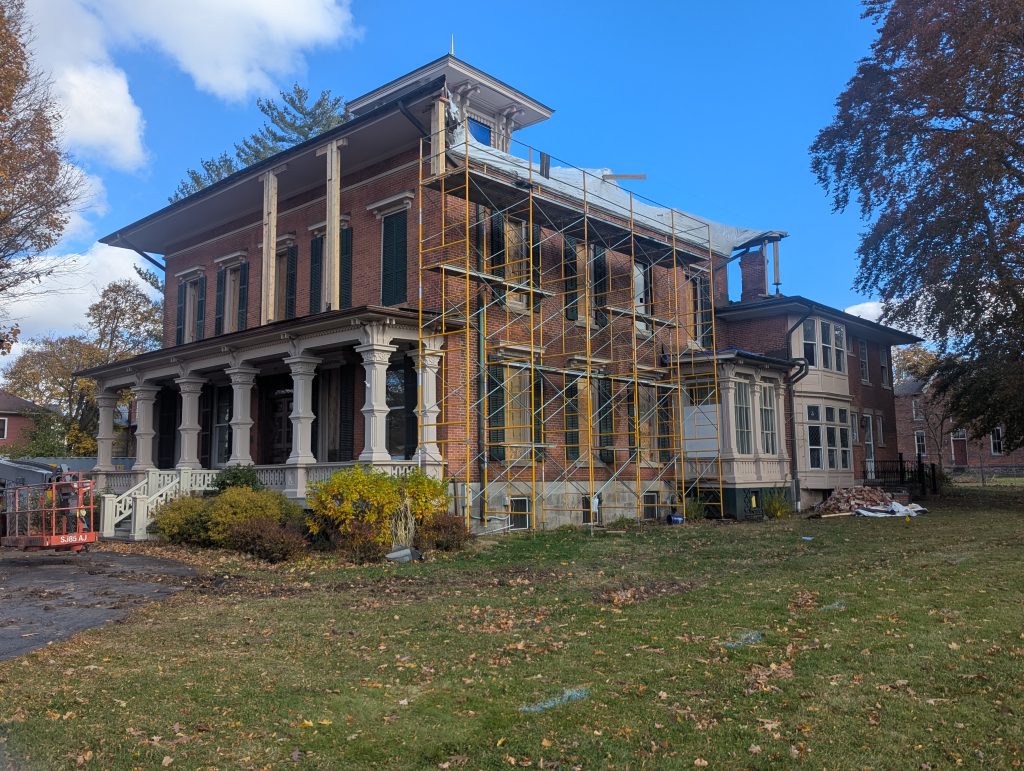
Morgan-Manning House, Village of Brockport

Morgan-Manning House
Village of Brockport, Monroe County

Built in 1854, the Morgan-Manning House is one of Brockport’s most recognizable and cherished landmarks. After a devastating fire in 1964 claimed the life of Sara Morgan Manning, community volunteers rallied to restore the home and establish it as a museum, fulfilling her wish that it stand as a monument to the village’s heritage. For six decades, it has served as a cultural anchor, educational resource, and symbol of local pride.

In January 2025, the house suffered significant fire damage once again. Thanks to the swift response of multiple fire departments, the structure was saved, but extensive restoration work now lies ahead. Stabilization and assessment efforts are already underway, and the community faces an important moment: whether to once again come together to preserve this defining symbol of Brockport’s identity.

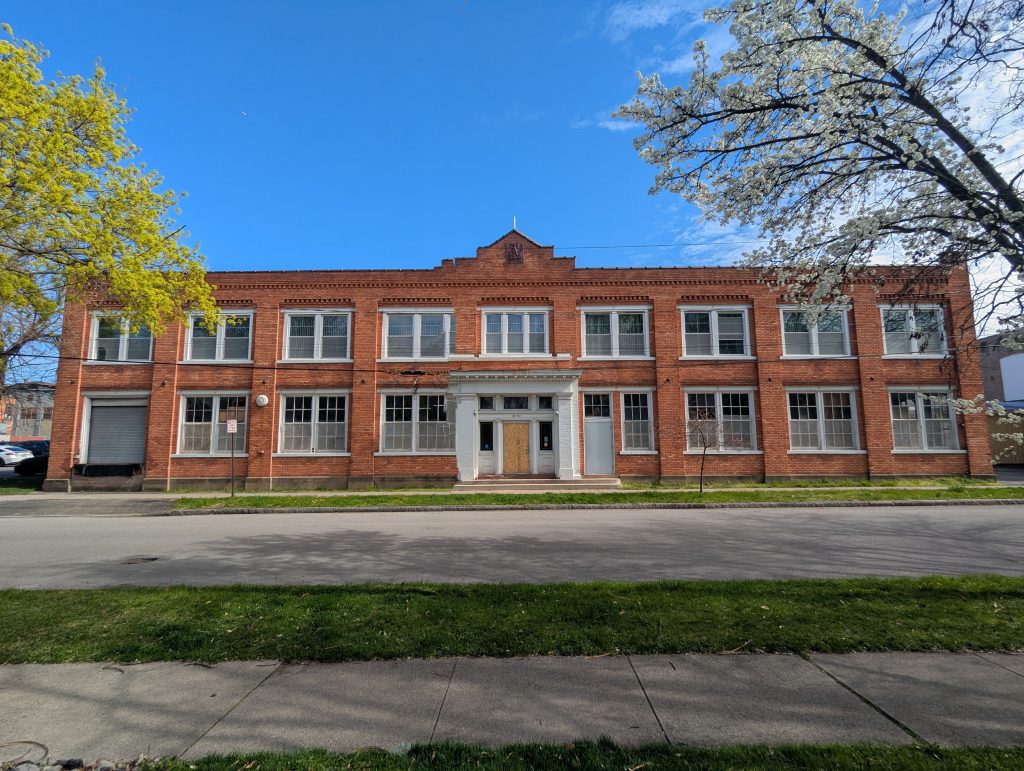
Cutler Mail Chute Company Building, City of Rochester

Cutler Mail Chute Company Building
City of Rochester, Monroe County

Constructed in 1908 on Anderson Avenue, this unassuming industrial building once housed the only factory in the world dedicated to manufacturing mail chutes. Patented by Rochester architect and mayor James Goold Cutler, these chutes became standard equipment in high-rise buildings during the skyscraper boom and were installed in iconic landmarks such as the Empire State Building and the Savoy Hotel in London.

The building itself remains a strong example of early twentieth-century industrial architecture, retaining its sawtooth roof and the terracotta Cutler eagle mounted on the parapet — a quiet but powerful reminder of Rochester’s global industrial impact.

Recent redevelopment discussions have raised concerns about potential demolition or incompatible alterations. Preservation advocates are working to demonstrate that adaptive reuse can both protect this rare piece of Rochester’s architectural legacy and support thoughtful redevelopment in the Neighborhood of the Arts.

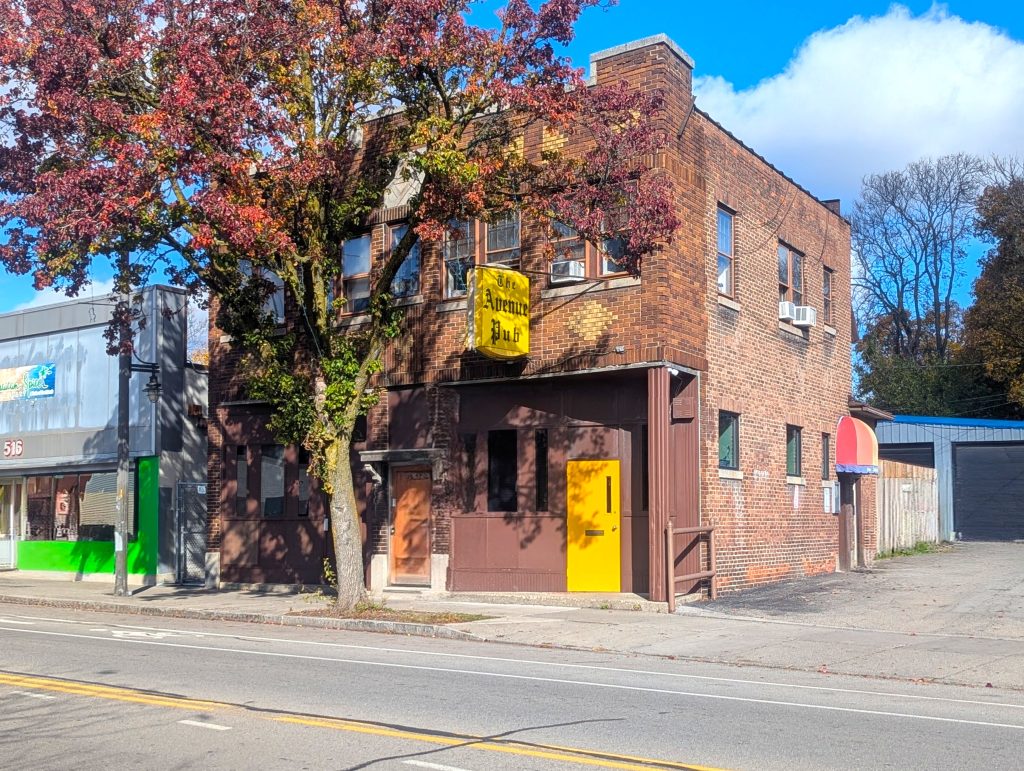
The location of the former Avenue Pub in Rochester represents our Historic LGBTQ+ Community Sites thematic listing.

Historic LGBTQ+ Community Sites
Thematic Listing

This thematic Five to Revive listing highlights an urgent preservation priority: identifying and protecting places significant to Rochester’s LGBTQ+ history. Because LGBTQ+ communities historically gathered out of public view — often without formal documentation — many important sites have already been lost, and others remain unrecognized.

At present, only two properties in our region are listed on the National Register of Historic Places specifically for their LGBTQ+ significance. Through research, oral histories, community partnerships, and public programming, this initiative seeks to document additional sites, elevate their stories, and ensure that the history of activism, resilience, and community-building is preserved as part of our shared heritage.

This effort is not only about buildings — it is about visibility, belonging, and telling a fuller, more accurate story of our region.

View our past five to revive listings

Listing on our inaugural Five to Revive list in 2013 attracted the investment necessary to beautifully redevelop the long vacant former Eastman Dental Dispensary on E. Main Street in Rochester into senior housing.